Youth Culture Graphic Design: Capturing the Urban Pulse
The Visual DNA of Streetwear Aesthetics
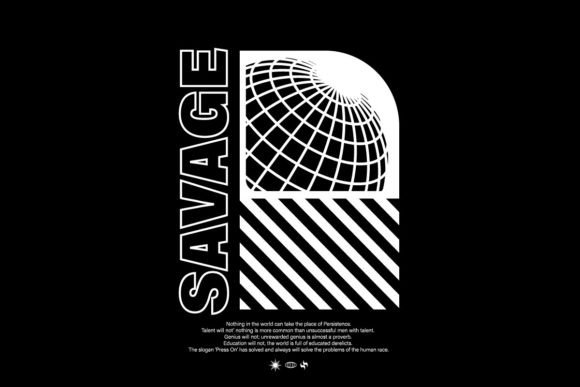
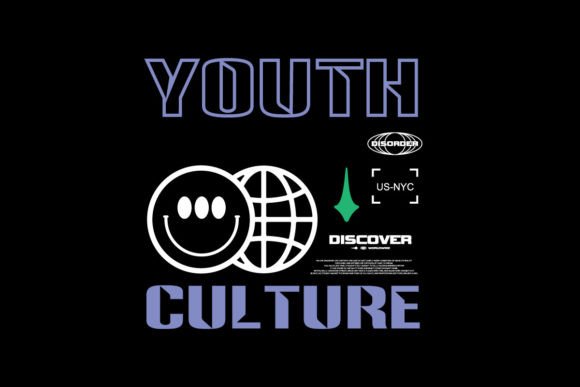
Youth culture graphic design represents more than just a style—it's a visual language that speaks directly to the energy, rebellion, and creativity found in urban communities worldwide. When you look at these designs, you immediately notice the bold contrasts, gritty textures, and unapologetic attitude woven into every element. The aesthetic draws from skateboarding, hip-hop, graffiti art, and DIY punk culture, creating graphics that feel authentic rather than manufactured.
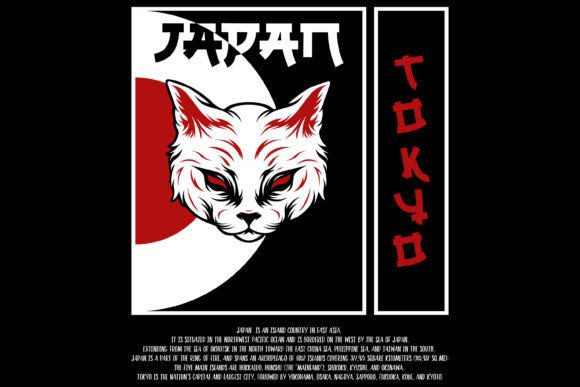
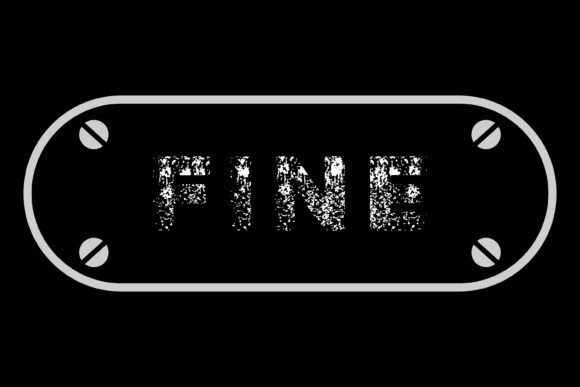
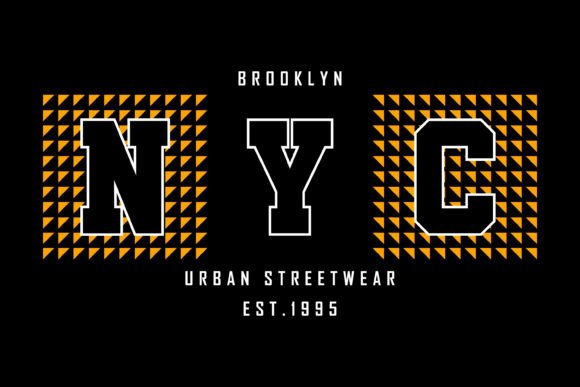
What makes this particular collection stand out is how it balances raw street energy with professional execution. The typography choices lean heavily toward display fonts that command attention without sacrificing legibility. You'll find elements that reference vintage sportswear, retro gaming, Japanese street fashion, and contemporary art movements—all filtered through a distinctly urban lens. The color palettes tend toward high-contrast combinations: think black and white with electric accent colors, or muted earth tones punctuated by neon highlights.
These designs carry a personality that resonates with younger demographics but appeals across age ranges. There's a certain confidence in the visual hierarchy—big, bold headline elements paired with supporting graphics that create depth without clutter. The overall feel is premium streetwear, the kind of graphic design you'd see on limited-edition drops from brands that have built cult followings.
Practical Applications Across Industries
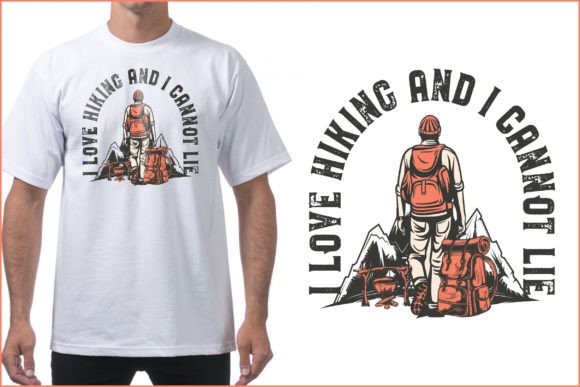
For entrepreneurs launching streetwear fashion brands, these graphics provide an immediate foundation. Instead of starting from scratch or settling for generic clip art, you're working with design assets that already understand the market. The vector files mean you can scale these designs for everything from small chest prints to oversized back graphics without losing quality. Need to adjust the colorway to match your brand palette? The EPS format makes recoloring straightforward in Adobe Illustrator, Affinity Designer, or similar vector graphics software.
Small business owners creating custom printed clothing will appreciate the versatility here. These designs work beautifully for t-shirt sublimation, direct-to-garment printing, and screen printing setups. The high-resolution JPG files serve as excellent reference files or can be used directly for certain printing methods. Whether you're producing a small batch for a local event or building out a full merchandise line, the professional quality of these graphics elevates your final product.
Content creators and bloggers operating in the fashion, music, or lifestyle space can incorporate these design elements into social media graphics, YouTube thumbnails, or podcast artwork. The visual style translates well across digital platforms where capturing attention in a crowded feed matters. Marketing professionals working with youth-oriented brands will find these assets useful for campaign materials, event promotions, and branded merchandise that actually connects with target audiences.
Crafters and hobbyists shouldn't overlook this collection either. The designs work for heat transfer vinyl projects, custom accessories, wall art, and personalized gifts. The ability to transform, scale, and modify elements means you can adapt the graphics for projects far beyond standard apparel printing.
Working With Vector Source Files Effectively
The real advantage of receiving 100% vector source files cannot be overstated. Unlike raster images that pixelate when enlarged, vector formats maintain crisp edges at any size. This is particularly important for youth culture graphic design, where bold lines and sharp details define the aesthetic. When you scale up a vector design for a large banner or scale it down for a hang tag, every element stays clean and professional.
When you extract the ZIP file, take time to explore the layer structure in your vector graphics software. Well-organized files typically separate text elements, background graphics, and foreground illustrations into distinct layers. This organization lets you add, remove, or rearrange components without affecting other parts of the design. Want to swap out a headline? Simply select the text layer and type your own message. Need to remove a graphic element that doesn't fit your concept? Delete that layer while keeping everything else intact.
Testing different color combinations before committing to a final version saves both time and production costs. The vector format allows you to experiment with color palettes that align with your brand identity or seasonal trends. Try swapping warm tones for cool ones, or convert a full-color design to a monochrome version for a different aesthetic. Each adjustment happens instantly without quality degradation.
Choosing the Right Design for Your Project
Not every youth culture graphic design will suit every project, so evaluating fit matters. Consider your target audience's specific tastes within the broader streetwear market. A design heavy on Japanese typography elements might resonate differently than one rooted in American skate culture. Look at the visual complexity too—highly detailed graphics work well for all-over prints but might overwhelm a simple chest placement.
Font pairing becomes relevant when you're adding custom text to these designs. The existing typography in the graphics sets a tone, so any additional text should complement rather than clash with that established style. Sans serif fonts with geometric qualities often pair well with streetwear aesthetics, while script or handwritten fonts can add contrast when used sparingly for accent text.
Think about how these designs will reproduce across your specific production method. Sublimation printing handles gradients and complex color transitions well, making it ideal for designs with photographic elements or smooth color shifts. Screen printing works best with solid color areas and might require design simplification for cost-effective production. Understanding these constraints upfront helps you choose designs that translate well from digital file to physical product.
The commercial licensing included with quality design collections like this one removes a significant barrier for entrepreneurs and small business owners. You can produce and sell finished products featuring these graphics without navigating complicated licensing agreements or paying per-unit royalties. This clarity lets you focus on building your brand and serving customers rather than worrying about intellectual property concerns.
Ultimately, youth culture graphic design succeeds when it feels genuine to the audience it targets. These designs capture something real about urban streetwear culture—the creativity, the individuality, the refusal to follow mainstream conventions. When you apply them thoughtfully to your projects, that authenticity transfers to your brand, your merchandise, and your connection with the people who wear and appreciate this visual language.